

Warning: Contains spoilers for Attack on Titan and the final chapter and extended ending of the manga.
The Alliance in Attack on Titan has received backlash from some fans of both the anime and the manga - here are some of the reasons for why this is. Many characters and storylines in the series have been divisive among the franchise's audience for years, and the events of season 4 onward have brought that to its peak with a storyline centered around racism and genocide with many parallels to real-world events. The Alliance, despite being the heroes of the story in its final stages, haven’t been immune to that sort of divisiveness, and there are a lot of good reasons for it.
In episode 80, “From You, 2,000 Years Ago,” Eren used the power of the Founding Titan to start the Rumbling and kill everyone in the outside world to try and protect Paradis Island. In response to that, Eren’s friends and enemies come together to form a team referred to as the Alliance to take him down and save the world. The Alliance are the principal protagonists and point of view characters for the story going forward, and the story makes it clear that, aside from Yelena, they’re the people the audience is supposed to be rooting for to come out on top in the end.
Despite that, the Alliance has been met with a great deal of backlash from some Attack on Titan viewers and readers. A lot of the gray morality the series tended to operate on was abandoned in favor of unambiguously making them the heroes, even when certain characters don’t necessarily deserve it. There’s also the highly controversial ending to the series which, to some, justified Eren’s actions and made the Alliance even worse in hindsight. Regardless, there are a lot of reasons why people have grown to dislike the Alliance in both the anime and manga, and these are some of the biggest.
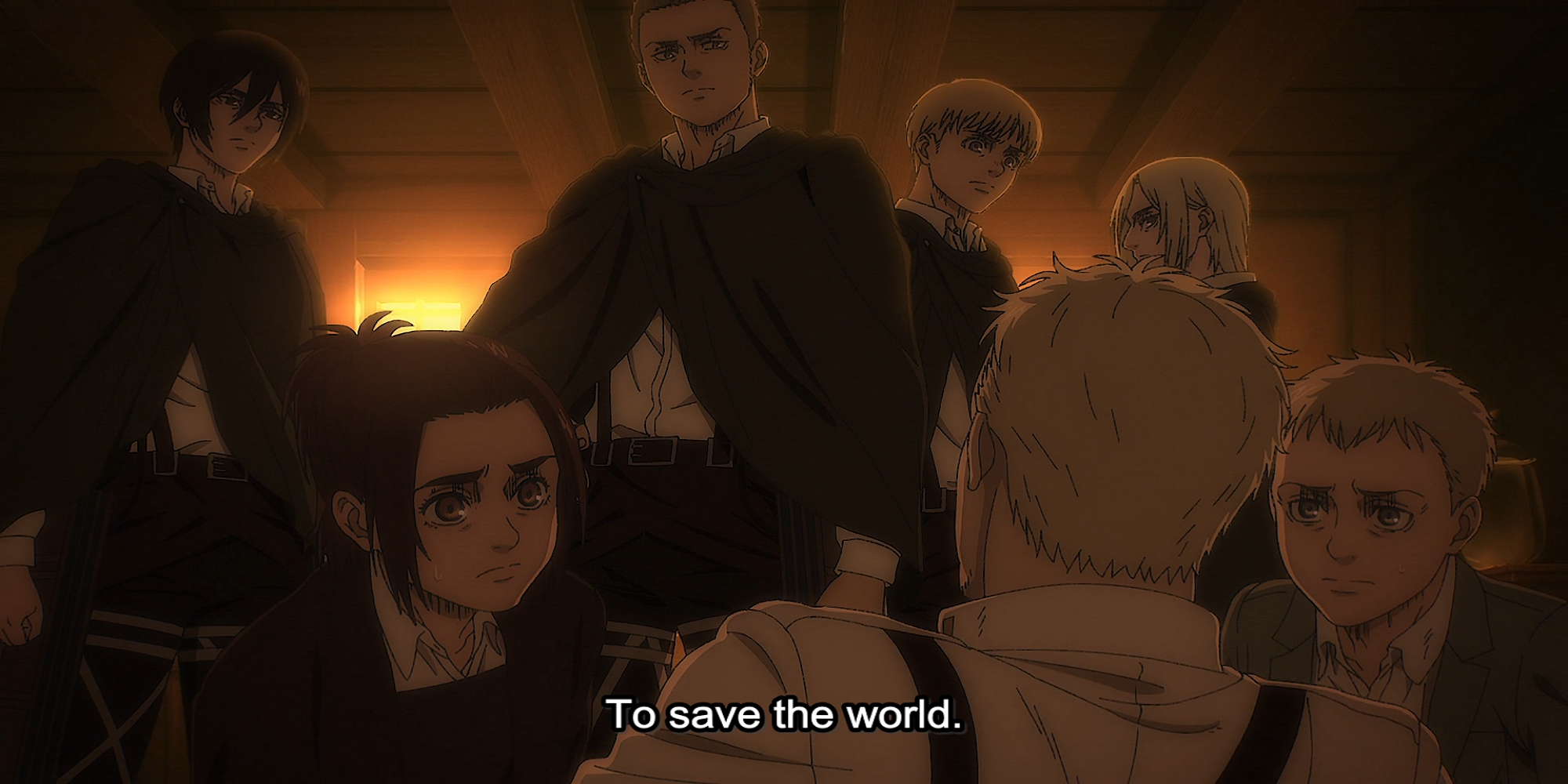
As previously stated, Attack on Titan is known for utilizing a lot of gray morality in its writing. For the first three seasons, while Eren and his friends and allies were the heroes of the story, they still often had moments where they were forced to act maliciously in some way. At the same time, most of the villains were given enough depth to make it clear that they weren’t being evil for evil’s sake and had good reasons for their actions with varying degrees of sympathy; Reiner, especially, has been shown to have tremendous remorse for his actions from the moment his true colors were revealed. All in all, the series was mostly good about not making one side unambiguously good and one side unambiguously evil.
For a lot of people, though, that practice was abandoned after Eren started the Rumbling and the Alliance was formed to stop him. Eren is portrayed as the villain for wanting to commit genocide on a global scale, but at the same time, the story has gone out of its way to establish that there aren’t really other options for protecting Paradis Island because of how much Marley and the rest of the world wants them dead. Episode 84 even reiterates that the Rumbling is the only viable option, but Hange still refuses to go along with it, simply because of the inhumanity/evil of genocide.
Boiling the issue of the Rumbling down to it involving genocide ignores all of the other issues surrounding the conflict with Marley, yet that’s more or less what Attack on Titan does with its anti-Rumbling stance. Naturally, genocide isn’t something that should ever be endorsed, but the story lacks nuance. It's written without the consideration of the cost of life to the people of Paradis Island, because genocide is the sole solution considered to end the Marley conflict. Effectively, the Alliance being uniformly against Eren makes the morality of the story imbalanced. The backlash to it even got to the point where some detractors nicknamed the Alliance the “Cringevengers” for how heroic the story was trying to make them come across as.

Another point of criticism towards the Alliance stems from its inclusion of Annie. After spending four years trapped inside of a crystal, Annie was freed when Eren used the Coordinate to undo all of the hardening on Paradis Island, which included Annie's hardening crystal. With her father’s life in danger, Annie joins up with the Alliance to stop Eren, and they’re more than willing to let her help them. Therein lies the problem since, for a lot of people, the story isn’t doing enough to address Annie’s actions.
Annie is never shown feeling remorse for her part in the attack on Paradis and all of the people who have died since the beginning of the story. While there wasn’t enough time to delve into it in season 1, her return in season 4 has Annie stating that she’d do everything the same if she had the chance, which makes it clear that she doesn’t regret her actions. Characters like Reiner, Bertholdt, and even Gabi were repeatedly shown to be remorseful for their actions and having to deal with people constantly calling them out for it, but not only does Attack on Titan's Annie not show remorse, she’s never held accountable for her actions to the same degree as those characters were, even though she was just as bad as them, if not worse.
The dichotomy in Annie’s treatment compared to other characters’ treatment is best illustrated in episode 83, "Pride", and 84, "Night of the End". In episode 83, after stopping Connie from feeding Falco to his mom, Armin, Mikasa, and everyone else very abruptly reunite with Annie, and not only is the entire scene played for laughs with them randomly running into her as she's stuffing her face with pie, but anything they might have had to say after the scene of Annie eating pie isn’t shown. Episode 84 then had Jean get so angry over Reiner killing Marco and constantly whining about it that he nearly beat him to death, but Annie, whose past actions were also brought up in the episode, is treated nowhere near as severely; Annie even asks Jean if he can forgive her after explicitly saying that he can’t forgive Reiner, but she’s not given an answer.
Annie’s actions are blatantly ignored compared to the other characters, which is especially egregious when there’s one person in the Alliance who would be more than justified in raking her over the coals: Levi. Not only did Annie kill dozens of Scouts, but she killed the original Levi Squad, some of Levi’s closest friends, so he would have plenty of reason to be angry with her. In spite of that, not only does Attack on Titan's Levi spend most of episode 84 asleep, but for the rest of the series, he barely has any interactions with Annie, so there’s never a chance for him to confront her.
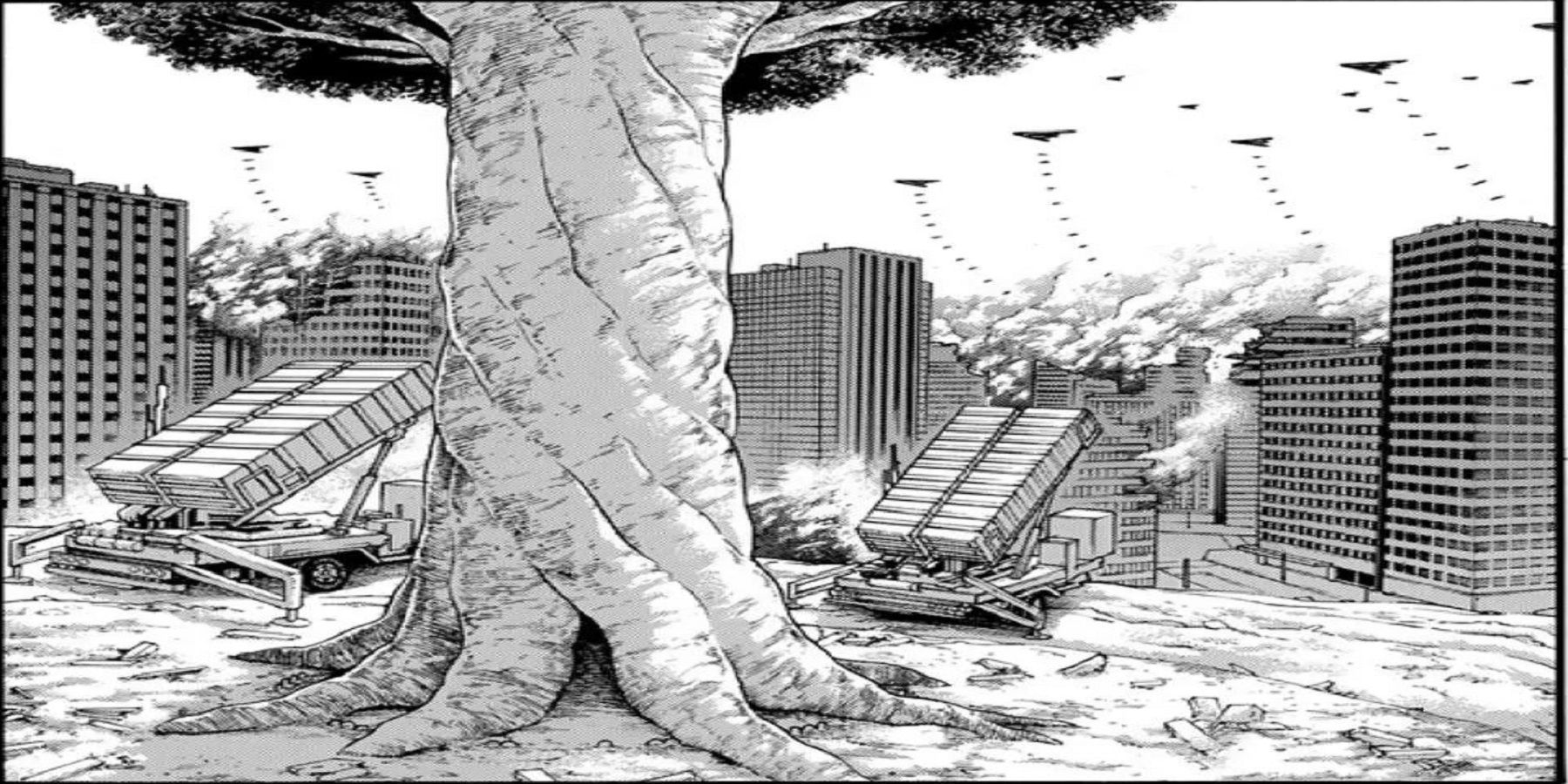
The biggest amount of criticism towards the Alliance, however, comes from the ending to Attack on Titan. The Alliance succeeds in defeating Eren and stopping the Rumbling from killing all of humanity, albeit not before eighty percent is wiped out, and thanks to Eren, they’re able to paint themselves as the heroes who saved the world and give the Eldians of Paradis a chance at survival by living off of that clout. While Attack on Titan's original ending was open-ended and gave room for things to work out for everyone, the extended ending in volume 34 completely throws away the idea by showing that sometime in the future, Paradis Island was destroyed in a war, presumably with the survivors of the Rumbling, meaning that the Alliance ultimately failed to make peace with the world, making the Alliance come across as futile in hindsight.
There are a lot of reasons for why the Alliance has received so much criticism in Attack on Titan. The fact that the morality of the story appears lopsided in their favor is one thing, but the ending makes it feel as if all of the focus given to them was pointless in the end. The Attack on Titan manga is still facing some intense discussion regarding its ending nearly a year after its conclusion, so it’s more than likely that the anime will incite
Attack on Titan releases new episodes Sundays on Hulu.
from ScreenRant - Feed https://ift.tt/U7BS1E6


