
Warning! Major spoilers head for Chainsaw Man and Goodbye, Eri!
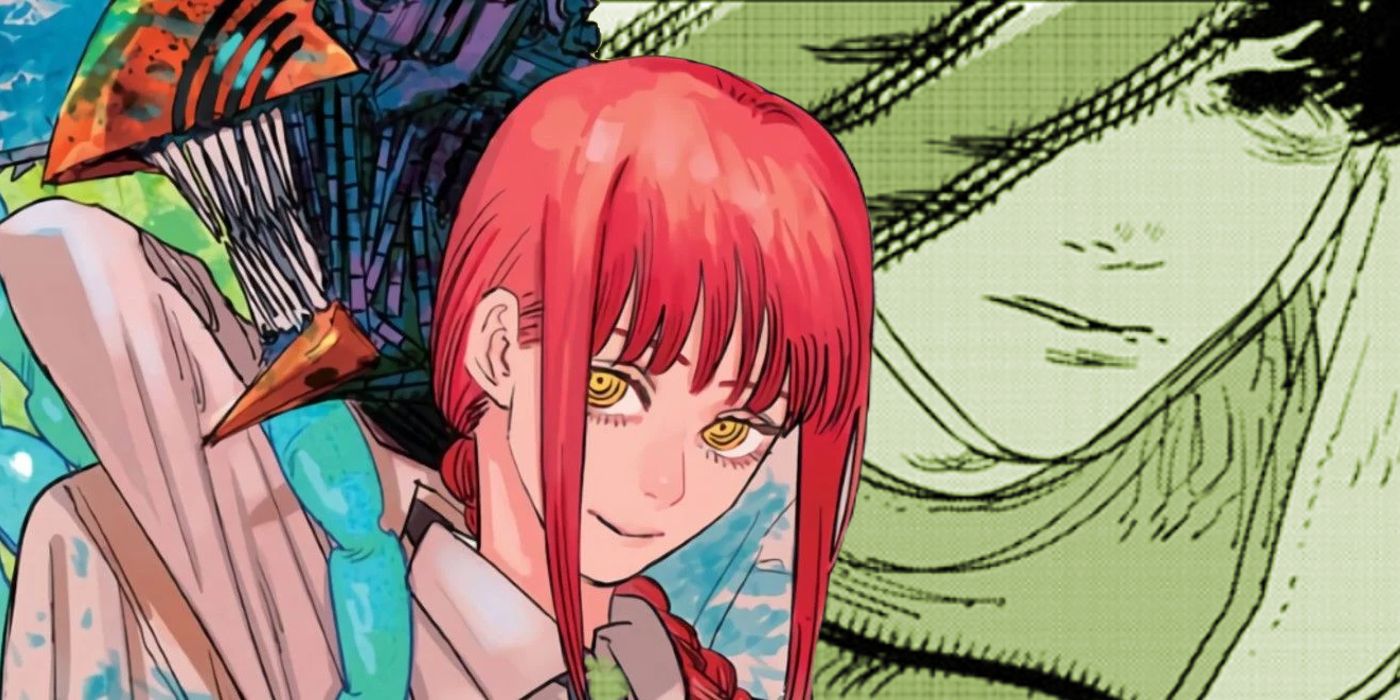
Mangaka Tatsuki Fujimoto's new one-shot manga Goodbye, Eri can't be any more different from his ongoing and incredibly popular Chainsaw Man series. But there are many chilling parallels between Goodbye, Eri's two main characters and Chainsaw Man's Denji and Makima that suggests an underlining theme in both works.
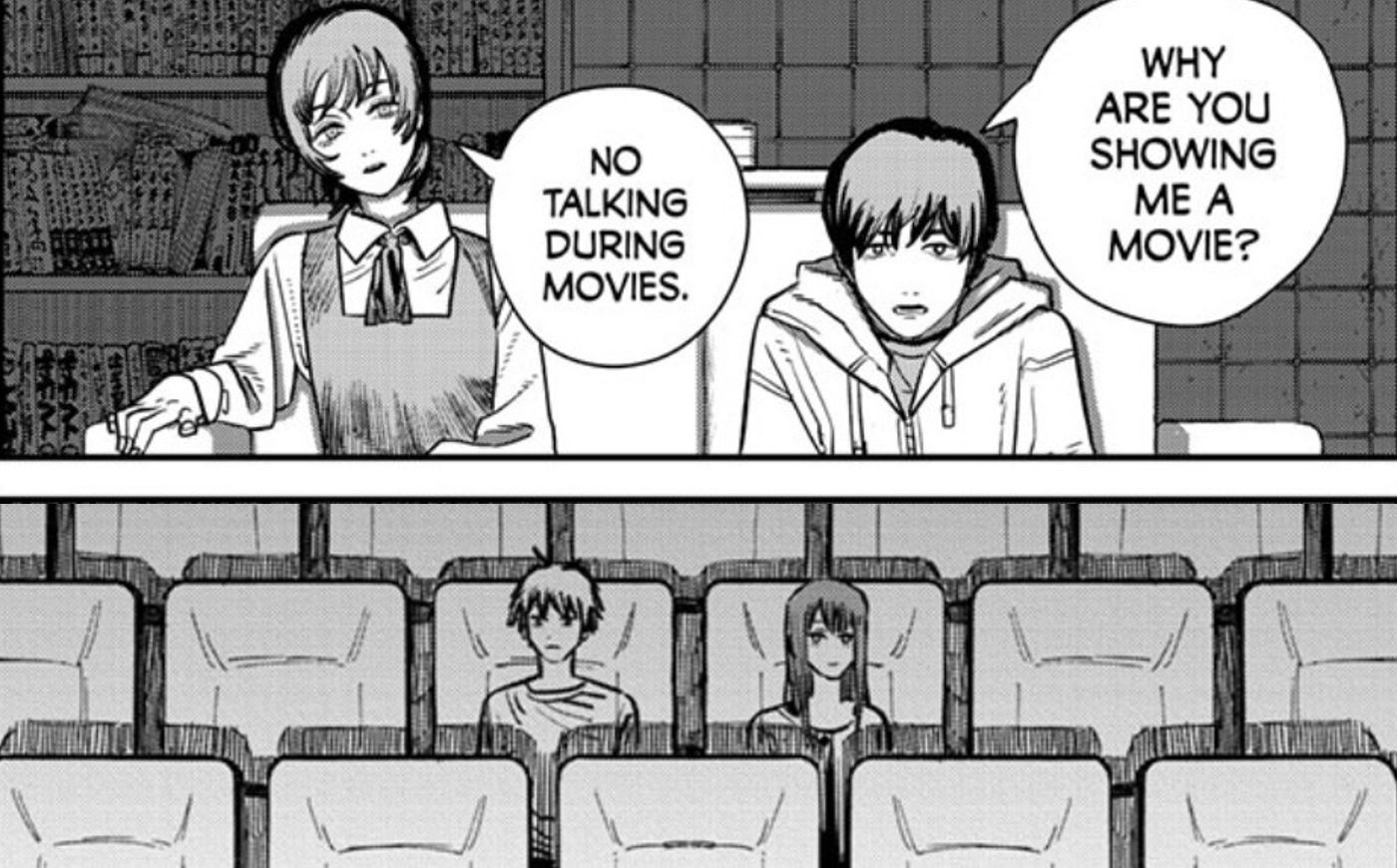
Goodbye, Eri follows middle schooler Yuta Ito as he captures death on camera and translates these experiences through film. Yuta's journey eventually brings him in contact with the one-shot's eponymous character Eri, who tries to hone his craft. The correlations between Goodbye, Eri and Chainsaw Man become immediately apparent when Eri forces Yuta to watch countless films with her, which mirrors when Chainsaw Man (aka Denji) is taken on a date that consists of watching a string of consecutive films with the love of his life Makima.
On the surface, both moments are ostensibly innocuous and actually touching, but the true intentions of Makima and Eri contort each instance into something unrecognizable. That's because Makima and Eri are using Denji and Yuta respectively for their own benefit. Makima reveals to Denji near the end of part I that everything she has done - including the movie date - has been in service of the devil Chainsaw Man, not him,. Her acts of kindness were just so she could more effectively tear him down so that the true devil inside of him could flourish. The news is so life-shattering that Denji is forced to adopt a rather disturbing coping mechanism. Meanwhile, in Fujimoto's new one-shot, Eri actually engages with Yuta about his film with an ulterior motive. Her deception is especially heart-wrenching because it puts Yuta in a brutally unfair position that requires him to relive a past trauma that obviously affected him deeply.
In what is now considered a classic Fujimoto move, both stories present a stunning twist that adds another unfortunate layer to each experience. In Chainsaw Man, Denji has no other choice but to kill his beloved Makima. While this is difficult, he eventually comes to terms with his decision. However, he is later forced to confront what he thought he had put behind him in a rather twisted turn of events. Because Makima was ostensibly a victim, Denji is required to reopen old wounds that put him in a position to fall in love once more and potentially get betrayed again, making Denji one of manga's most tortured heroes. In Goodbye, Eri, Yuta learns that a terrible development he believes occurred decades ago - the prospect of which is why he has to relive past trauma - is actually a lie. Like Makima, Eri's predicament is much worse than he originally believed. She needs what Yuta gives her not to ensure her legacy will live on, but so that her unique hell will be more bearable. The final scene in Goodbye, Eri, puts reality into question, causing readers to wonder whether the last panel serves as a figurative reflection for how Yuta ended his first film or if it's his example that exemplifies one of the main themes of the one-shot - how a filmmaker has the power to contort reality in how they choose to capture events.
Denji and Yuta don't leave these experiences empty-handed regardless of how they are manipulated. In the Chainsaw Man manga, the movies Denji watches with Makima seem to justify his greatest fear that he lost his human heart, but he is able to confide in Makima who in turn helps him feel otherwise. Meanwhile, Eri literally saves Yuta's life and helps him win over the people who originally hurt him by molding Yuta into a better filmmaker. These examples from Chainsaw Man and Goodby, Eri prove the literary genius of mangaka Tatsuki Fujimoto.
from ScreenRant - Feed https://ift.tt/qsv5D4J


